ICOM IC-A25N Handheld NAV/COM Transceiver w/ Bluetooth – Open Box: Reliable NAV/COM Performance
ICOM IC-A25N Handheld NAV/COM Transceiver w/ Bluetooth – Open Box: Reliable NAV/COM Performance
Blog Article
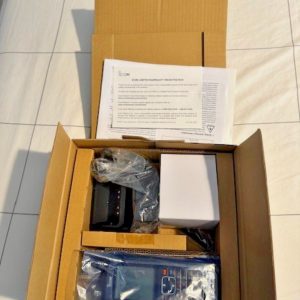
:::writingvariant="document" id="58314" ICOM IC-A25N Handheld NAV/COM Transceiver w/ Bluetooth – Open Box: Portable Aviation Radio The ICOM IC-A25N Handheld NAV/COM Transceiver w/ Bluetooth – Open Box is designed for aviation users seeking a capable portable radio that can support communication and navigation-related operations. An open-box ICOM transceiver can be attractive to buyers who want dependable features while reducing the cost of purchasing professional aviation equipment. The ICOM IC-A25N Handheld NAV is suitable for users who want portable access to communication and navigation-related functions during flight preparation, cockpit operations, instruction, emergency planning, or airport ground activities. As an ICOM IC-A25N Aviation Radio, the transceiver may be used during normal flight operations, communication training, airport monitoring, ground coordination, and emergency preparation. A portable ICOM IC-A25N Handheld Radio supports flexible aviation operations because it can remain with the pilot rather than being permanently installed in one aircraft. The Handheld NAV/COM Aviation Transceiver format offers useful flexibility to pilots who want one compact tool for several operational requirements. Whether a buyer is sourcing a Handheld Aviation Radio, Aviation NAV/COM Radio, Pilot Handheld Radio, or Aircraft Communication Radio, actual operating needs should guide the selection. For many operators, the radio can combine the roles of Portable Aviation Transceiver, Aviation Communication Device, Handheld Aircraft Radio, and emergency backup equipment.
Why Pilots Choose the ICOM IC-A25N Handheld Radio
A multifunction handheld radio can provide useful redundancy and flexibility for pilots Aviation Navigation Radio who regularly operate in different aircraft or environments. The IC-A25N may appeal to users who prioritize strong construction, straightforward operation, and access to aviation functions away from the instrument panel. Real-world results depend on setup, antenna use, radio configuration, location, surrounding structures, and the condition of the complete package. Familiarity transforms a portable radio from stored equipment into a practical and dependable operational resource.ICOM IC-A25N Handheld NAV Features
The ICOM IC-A25N Handheld NAV can support pilots who want portable access to aviation communication and navigation information during flight preparation or cockpit operations. Aircraft owners may keep the radio available when maintenance temporarily removes power from installed communication equipment. Users should understand which functions are intended for reference, communication, navigation support, training, or emergency use. A complete preflight review can confirm that the radio is charged, configured, accessible, and ready to support the planned operation.ICOM IC-A25N Aviation Radio Applications
Aviation professionals can carry the IC-A25N when moving between aircraft instead of depending entirely on equipment installed in one cockpit. Maintenance providers may monitor aviation activity while working outside the aircraft or coordinating ground movements. Current photographs should show the radio body, display, controls, connectors, antenna, battery, charger, packaging, and included components. Remote buyers may request a video showing startup, menu operation, button response, audio output, charging status, and physical condition.ICOM IC-A25N Handheld Radio Applications
The IC-A25N provides flexibility for aviation users who need one communication device across multiple locations and operational roles. The antenna should be protected from bending or crushing while the radio is transported with other equipment. Pilots can practice with the radio at home or in a classroom while following the applicable manual and operating guidance. Careful handling allows a portable aviation radio to remain a dependable part of the pilot’s equipment inventory.Handheld NAV/COM Aviation Transceiver Benefits
The integrated format can reduce the need to carry separate handheld receivers for several common aviation tasks. The most suitable handheld radio is not necessarily the one with the longest feature list, but the one the pilot can operate confidently and maintain properly. Stored frequencies and settings should be reviewed periodically so outdated information does not create confusion. Any abnormal heat, charging issue, intermittent audio, damaged control, loose connector, or battery swelling should be investigated before further operation.Handheld Aviation Radio Applications
A Handheld Aviation Radio is a practical tool for private pilots, instructors, students, mechanics, aircraft owners, flight schools, and airport support personnel. A handheld unit is most valuable when charged, accessible, tested, and familiar to the pilot before it is required. Radio performance can be affected by aircraft structure, cockpit location, antenna orientation, terrain, buildings, interference, weather, and distance. Users should understand local procedures before transmitting from airports, airshows, training areas, or ground facilities.Benefits of an Aviation NAV/COM Radio
The IC-A25N can be carried across different aircraft, allowing one pilot to maintain familiarity with the same handheld controls. Important features should be practiced on the ground before the radio is used during high-workload phases of flight. Users should distinguish between convenience features, backup capability, training value, and equipment required for a particular flight. Paired accessories and Bluetooth connections should be tested so unexpected setup issues do not occur during flight.Pilot Handheld Radio for Flight Operations
A portable radio can remain with the pilot when changing aircraft, allowing consistent access to a familiar communication device. A belt clip, protective case, organized side pocket, or approved mounting arrangement may help secure the radio during flight. Emergency equipment is more useful when essential controls can be operated confidently without lengthy manual review. Responsible power management is central to maintaining a dependable Pilot Handheld Radio.Portable Aircraft Communication Radio
A handheld radio may provide additional flexibility during aircraft demonstrations, test preparation, delivery operations, or extended maintenance events. Professional communication practices improve the effectiveness of both installed and handheld radios. Users should establish realistic expectations by testing the radio in normal conditions rather than assuming identical range to panel equipment. Maintaining physical and electronic condition supports dependable Aircraft Communication Radio performance.Portable Aviation Transceiver Advantages
Portability is valuable when users need one radio across several airplanes, buildings, vehicles, or operational locations. An accessory checklist may be useful for businesses or flight schools that issue the radio to different users. A wired backup arrangement may remain useful when Bluetooth accessories lose charge, disconnect, or experience interference. Pilots should avoid troubleshooting complicated pairing issues during high-workload phases of flight.Aviation Communication Device for Professional Use
Commercial value is strongest when the radio includes the accessories, battery capability, and support required for actual use. Buyers should avoid assuming that open-box always means unused or that every accessory remains included. Professional users may maintain records of radio assignment, charging, inspections, damage, accessory inventory, and battery replacement. Regular updates to operating procedures may be required when accessories, paired devices, aircraft assignments, or personnel change.Handheld Aircraft Radio Applications
Ground teams may use appropriate handheld equipment during coordinated activities where aviation communication is required and authorized. Pilots may prepare frequencies and settings before entering the cockpit, reducing setup workload after engine start. A planned storage position supports fast retrieval while protecting the radio and aircraft interior. Consistent care helps a Handheld Aircraft Radio transition reliably between cockpit, hangar, ramp, and storage use.Aviation Navigation Radio Benefits
The aviation-focused interface is intended to support pilots who need quick access to practical features in a compact format. The radio should be configured on the ground whenever possible instead of during high-workload cockpit operations. The device should become part of a layered navigation and communication strategy rather than the sole source of critical information. Careful preparation allows an Aviation Navigation Radio to provide practical value without increasing cockpit workload unnecessarily.Using an ICOM Pilot Radio
The IC-A25N provides a combination of communication, navigation support, Bluetooth connectivity, and portable power suitable for varied aviation roles. Accessories, manuals, packaging, warranty eligibility, and previous registration may affect the practical and commercial value of the radio. The device should support the pilot’s normal workflow rather than requiring accessories or procedures that are inconvenient or incompatible. Responsible ownership allows an ICOM Pilot Radio to remain a useful communication and navigation resource for many aviation activities.Emergency Aviation Radio Benefits
Emergency value depends on the radio being charged, accessible, configured, and familiar to the pilot before a problem occurs. The radio should be positioned where it can be reached without searching through baggage during an urgent situation. Pilots should evaluate whether the radio can be heard clearly in the noise environment of their aircraft. Any missing charger, antenna, adapter, cable, or battery concern should be corrected before the radio is relied upon.Maintaining a Backup Aircraft Radio
A Backup Aircraft Radio provides communication redundancy for pilots who want an alternative to the primary panel-mounted transceiver. A dependable backup radio is the result of consistent preparation rather than the assumption that unused equipment remains ready. The pilot should determine whether the radio will be operated through its built-in audio, Bluetooth accessory, or wired headset connection. Backup planning should also consider how the aircraft will be flown, navigated, and managed while the pilot is using the portable radio.ICOM IC-A25N Open-Box Condition Guide
The display should illuminate correctly and remain free from major damage, unreadable sections, or unexplained visual problems. The seller should identify whether original packaging, manuals, warranty materials, and product registration documents remain available. The Bluetooth system should be checked for pairing, audio routing, connection stability, and compatibility with supported equipment. Shipment photographs can document package contents and physical condition before dispatch.Protecting ICOM IC-A25N Reliability
The radio should be inspected according to usage frequency, storage duration, operating environment, and the importance of its backup role. Any change in audio, charging, battery life, control response, display quality, Bluetooth operation, or power stability should be investigated.- Check for cracks, loose parts, damaged buttons, display concerns, weak battery performance, antenna damage, charging problems, and missing accessories.
- Verify frequency settings, memory organization, Bluetooth pairing, audio routing, volume, squelch, navigation functions, and battery status during preflight preparation.
- Record any missing component, operating concern, battery issue, or required service before returning the radio to backup status.